
Ttip Is Abandoned For Ucertain Period
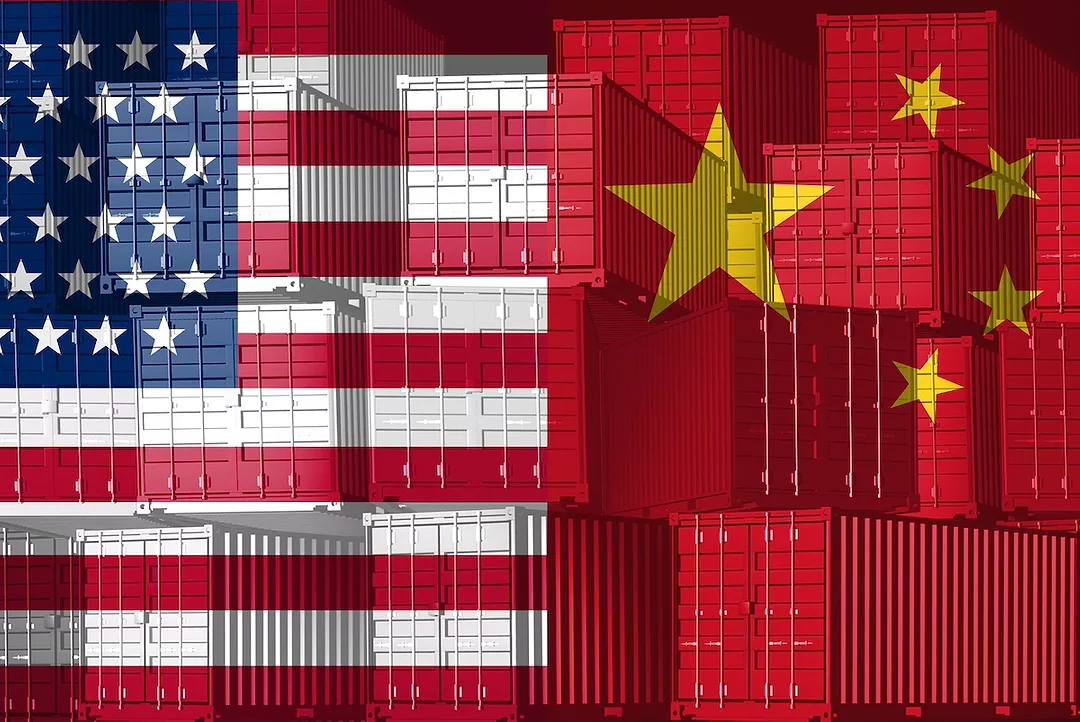
The global trade landscape is undergoing its most significant transformation since the inception of the WTO. As the "Eagle" (the United States) and the "Dragon" (China) engage in a deepening cycle of protectionism and technological decoupling, a critical strategic question emerges: can these points of friction—specifically the contentious steel and aluminum tariffs—be leveraged into a historic transatlantic trade triumph?
Economics Wire analyzes how current trade wars could provide the unexpected leverage needed to build the world’s largest unified trading entity.
The Catalyst: Security, IP, and Section 232
The current era of protectionism was sparked by a shift from market-based trade to security-based trade. Utilizing Section 232 of the Trade Expansion Act, the U.S. implemented steel and aluminum tariffs under the banner of national security. This was quickly followed by Section 301 investigations into Chinese intellectual property theft, prompting a flurry of retaliatory measures on everything from American soybeans to technology components.
This "tit-for-tat" escalation has created a volatile environment for commodity traders and manufacturers. However, while the conflict with China remains a structural tech war, the friction between the U.S. and the EU represents a different opportunity: a "bargaining chip" for a deeper alliance.
From Retaliation to an "Awesome Deal"
The Atlantic Council argues that the initial shock of steel tariffs should not be the end of the conversation, but the start of a "huge" new negotiation. Rather than entering a cycle of mutual retaliation with Brussels, the U.S. has the opportunity to use these tariffs as leverage to address long-standing trade imbalances and market access issues.
A potential "Awesome Trade Deal" would move beyond the regulatory complexities of the past and focus on direct market access:
- The Automotive Accord: Negotiating a zero-tariff agreement for light trucks and automobiles to rebalance the goods deficit.
- SME Integration: Reducing the administrative barriers that prevent small and medium-sized enterprises from scaling across the Atlantic.
- The $5.5 Trillion Market: Creating a unified trading bloc that secures Western economic dominance against the rising influence of the Dragon.
Managing Contractual Risk in the Protectionist Era
While policymakers look for a "grand bargain," businesses must navigate the immediate legal fallout of these trade wars. As HFW experts note, the rise in tariffs has placed commodity traders on the front lines. Standard trading terms (like GAFTA and FOSFA) often place the burden of new duties on the buyer.
In a world where a 25% tariff can be imposed overnight, the "Eagle and Dragon" conflict has made robust force majeure and sanctions clauses a non-negotiable requirement for any international contract. The cost of doing business now includes a "geopolitical risk premium" that must be accounted for in every ledger.
The Strategic Mandate
The shift from Trade Wars to Tech Wars signals the end of the "easy" era of globalization. However, if the U.S. can successfully pivot from confrontation with the EU to cooperation, the resulting $5.5 trillion market would provide an insurmountable anchor for the global economy.
The mandate for the next decade is clear: use the current friction to forge a more resilient, unified Western trade front. Prosperity will not be returned by clinging to the norms of the past, but by leveraging the pressures of the present to build the biggest trading entity of the future.
Subscribe to Our Daily Briefing
Our coverage is tailored for financial professionals, economic policymakers, corporate strategists, and advanced economics students seeking factual, data-driven insights.
Yes, our Enterprise plans provide licensed access to data feeds and APIs, giving you the full flexibility to integrate our economic indicators into your systems.
Our expert team uses accessible language, proprietary infographics, and a comprehensive glossary to translate complex econometric concepts into actionable intelligence.
Definitely. Our platform is fully responsive, meaning all articles, reports, and data visualizations adjust perfectly for seamless reading on desktops, tablets, and smartphones.
We employ rigorous, proprietary methodology and a dedicated team of economists who continuously validate all primary and secondary sources to ensure factual, timely information.
You gain unlimited access to our entire archive of policy analysis, the daily market briefing, all research reports, and specialized features like the interactive data dashboard.